
Searching Appling County Criminal Dockets
Paperwork is your best clue. The newest citation, bond paper, accusation, indictment, or hearing notice tells you which court to search. From there, the official Georgia E-Access directory points Appling County Superior and State Court searches to PeachCourt. PeachCourt needs an account before you view anything. It is not a single countywide search covering every criminal docket. Magistrate and Juvenile keep their own. So do the Baxley, Graham, and Surrency municipal courts, each with separate paths.
Copy the case number exactly as it appears on clerk mail or a filed notice. The county publishes no local code guide, so an exact match matters. A name search can work too. Spelling slip-ups, the wrong court choice, older files, and account limits can all hide the docket you want.
- Identify Superior, State, Magistrate, Juvenile, or the named municipal court.
- For Superior or State, choose Appling in the directory and enter PeachCourt Account Access.
- Sign in, select the court, and use the exact case number or case style.
- Read the header, events, newest setting, and count-level disposition.
- If an image is unavailable, ask the responsible clerk for that exact record.
Appling Criminal Courts by Charge
Which court holds an Appling County case depends on the charge and its stage. Felony prosecutions stay in Superior Court. State Court keeps misdemeanors and county traffic. Before a felony moves up, Magistrate Court handles warrants, first appearances, and preliminary work, while municipal courts keep eligible city traffic, ordinance, and limited misdemeanor dockets.
| Court | Criminal work | Access |
|---|---|---|
| Superior | Felonies | PeachCourt or Clerk |
| State | Misdemeanors, county traffic | PeachCourt or Clerk |
| Magistrate | Warrants and preliminary matters | (912) 367-8117 |
| Municipal | Eligible city cases | Issuing city clerk |
The local Superior Court resource identifies the court that receives county felony cases.
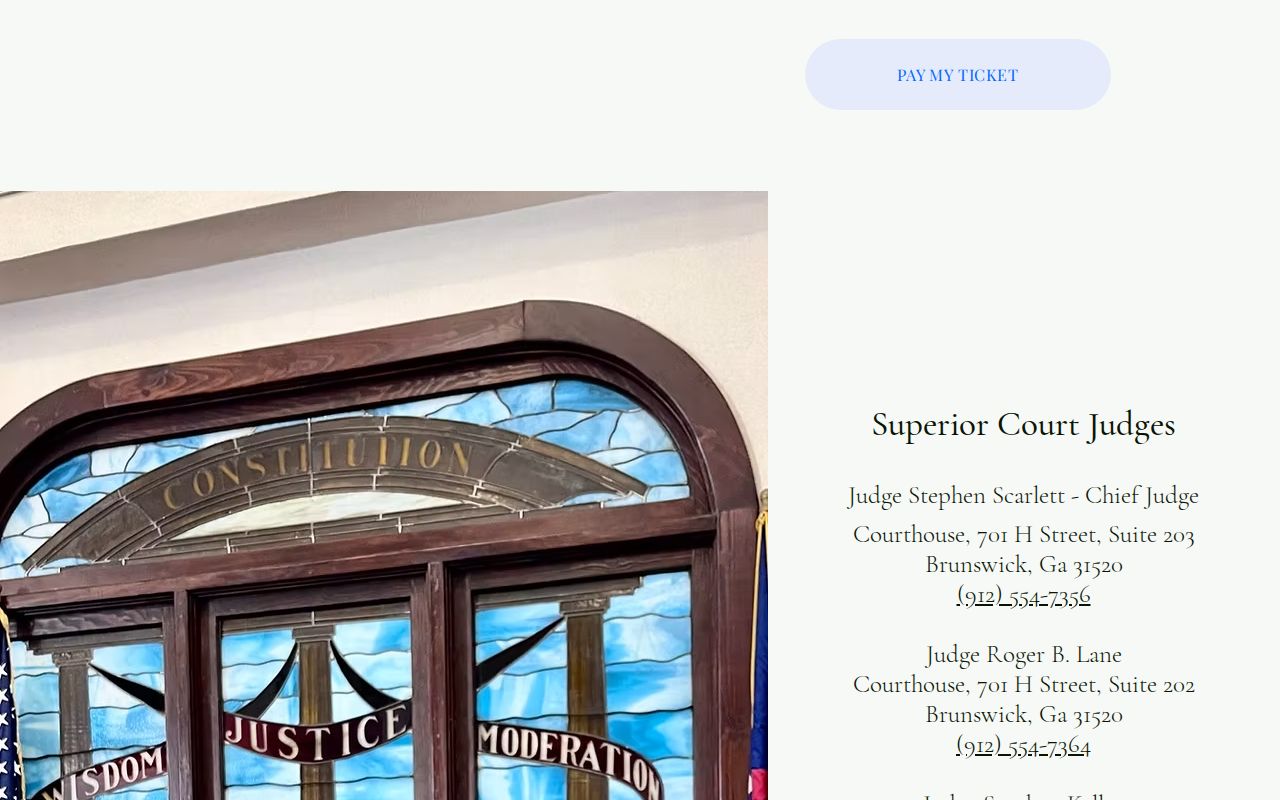
It helps separate the felony docket from State, Magistrate, and city records.
Inside an Appling County Criminal Docket
Think of an Appling County criminal docket as an index and a timeline. It is not full copies of every order. The header tells you a lot. It usually names the court, the style, the filing date, the status, the judge, and the case type. Below that, entries may show warrants, accusations or indictments, arraignments, pleas, motions, orders, settings, trials, dispositions, sentences, and appeals. Which public fields you see depends on your account settings.
| Case number | The exact clerk-assigned identifier. |
|---|---|
| Charge and count | Offense and the count tied to an outcome. |
| Setting | Date, time, type, place, and judge where entered. |
| Plea | A response to a charge, not the final outcome. |
| Disposition | The recorded result, read with the order. |
| Document marker | A possible image; the line is not the document. |
An open case, an arrest entry, or a charge line is not proof of guilt. A docket line only proves that an event was recorded. For the full terms, you may need the filed image itself.
Appling Criminal Images Behind the Gate
PeachCourt sits behind an account wall, and a docket line may come with no PDF attached. Write down the title and date of the indictment, accusation, plea, sentence, or order you need. Then request a plain or certified copy from the Appling County Clerk of Courts. The counter is at 69 Tippins Street, Suite 103, Baxley, and the main number is (912) 367-8126. Mail requests go to P.O. Box 269 after you get a fee quote.
A screen print will never count as certified. Appling Superior, State, and Juvenile Courts do participate in GSCCCA eCertification, but that convenience does not unlock restricted content. For older files, ask whether paper or archive retrieval is required. No official online coverage date has been published.
When a case goes up on appeal, the Court of Appeals of Georgia supplies the next docket.
The trial docket still holds its notice of appeal and prior events.
How an Appling Criminal Case Moves
Read an Appling County criminal docket in order, top to bottom. A warrant, complaint, or citation often leads into a first appearance and bond. A felony moves through indictment. A State Court misdemeanor may instead use an accusation. After arraignment and plea entries come motions, orders, and settings. A trial or plea then produces count-level disposition, sentence, and possibly appeal.
Docket flow: Filing → Arraignment → Pretrial → Plea or Trial → Disposition → Sentencing
One case can cross several courts. Magistrate may hold the first appearance before Superior Court takes the felony. After a bind-over or transfer, search the receiving docket. A Graham jury demand can move a city case into State Court.
Appling Pleas and Count Outcomes
Counts do not all end the same way. A guilty plea or conviction is one thing; an acquittal, dismissal, or nolle prosequi is another. Nolle prosequi means the prosecutor dropped that charge for now, not forever. A transfer or bind-over points to another court. It is not a ruling on guilt. First-offender treatment must be read from its order.
- Disposition
- The recorded way a count or case ended.
- Nolle prosequi
- A decision not to continue a charge at that time.
- Bond forfeiture
- An appearance-related event, not a guilt ruling.
- Transferred
- The matter moved to another docket.
The Supreme Court of Georgia receives the appeal categories assigned to it.
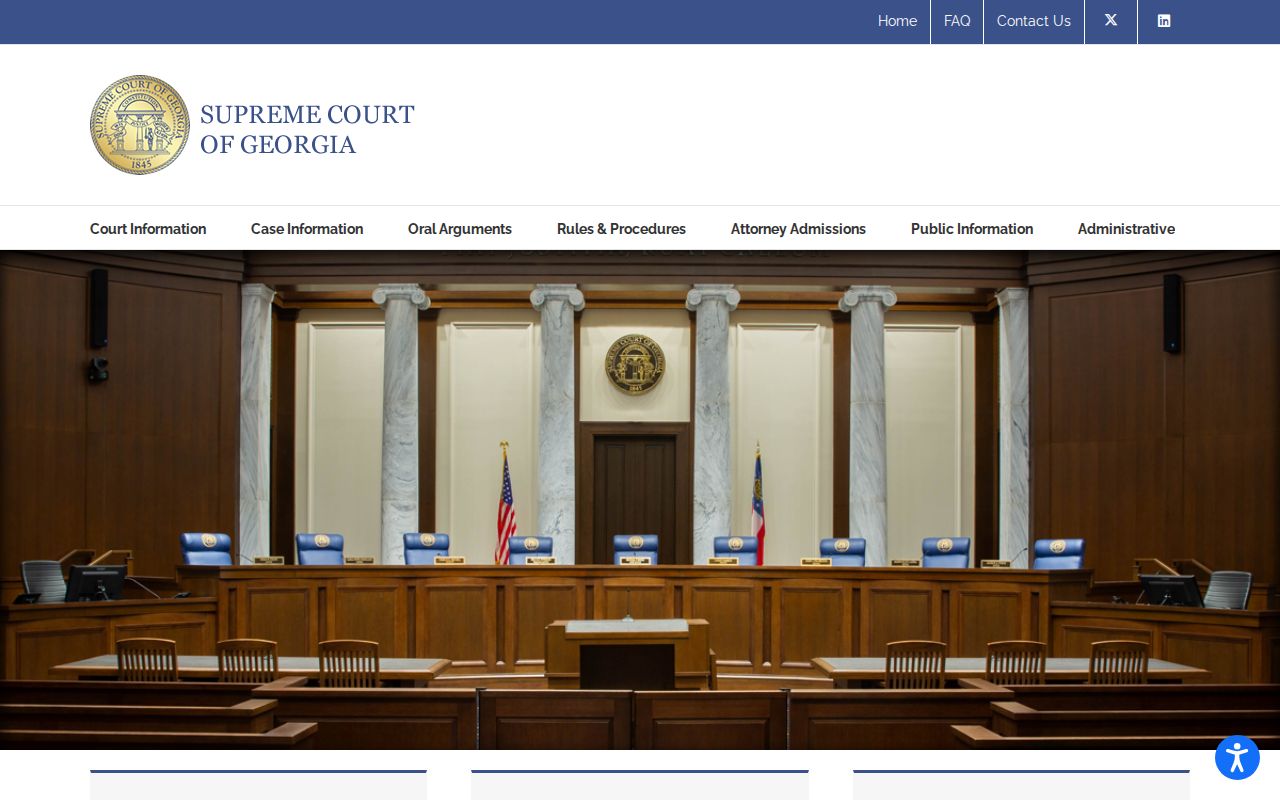
Check it only when the trial record shows that appeal route.
Courts That Hold Criminal Dockets
The Appling County Clerk holds the Superior and State criminal files. Magistrate keeps its own at 77 Tippins Street. Baxley, Graham, and Surrency each keep their city cases, and juvenile delinquency records carry restricted access.
A PeachCourt no-result can mean several things. It might be the wrong court, an old file, a limited account, a different spelling, or a restriction. It can also simply mean the case sits in Magistrate or a city court. Before concluding no docket exists, call the office holding the record. Have your court and case number in hand.
The Graham jurisdiction page documents how local routing works.
That boundary shows why a city search cannot replace county criminal records.
Graham Charges and Appling Dockets
Graham Municipal Court handles most misdemeanor traffic, parking, ordinances, and certain limited misdemeanors. Felonies go elsewhere. Most nontraffic misdemeanors route into Appling County Superior or State Court instead. A case that begins with a Graham citation will not necessarily stay municipal.
Start with the citation. Call the municipal clerk at (912) 367-2202. Ask for the case number, the current date, and whether anything transferred. Because Graham cannot hold jury trials, a jury demand sends the case to State Court. Check both court records for transfer entries.
Payment is not disposition. A vendor balance can omit pleas, resets, count outcomes, and later orders.
Sealed Dockets and Public Access
Appling County criminal dockets can be sought online. Or go straight to the clerk. Either way, judicial access rules govern what you get. Georgia treats court files differently from ordinary agency requests under the Georgia Open Records Act. Identifiers are redacted. Sealed filings and most juvenile records require proper authority or a court order.
Key rules:
O.C.G.A. §9-11-7.1 and court rules protect identifiers and govern sealed filings.
O.C.G.A. §15-11-704 generally limits juvenile-file inspection.
O.C.G.A. §35-3-37 provides eligible arrest-history restriction procedures, not automatic erasure of all court sources.
Verify any hidden case with the office that holds the record. Relabeling a request will not bypass a seal. The Appling County case lookup covers the wider name and number route.
Appling Criminal Desk Fallbacks
Phone work comes first here. Call the Clerk at (912) 367-8126. Have the court name, the exact case number, the style, and the year ready. Ask about the current setting, archive retrieval, and the precise docket or order you need. Walk-in service happens at Suite 103, open weekdays from 8:00 a.m. to 5:00 p.m. Confirm anything before you fax it. Mail works too. A request to the Appling County clerk should spell out the court, case number, document title and date, copy type, return address, and a phone number.
Pricing needs a call. No official local price exists for a plain, certified, or exemplified court copy. Get a current quote from the clerk. Treat that as the only sound amount. Do not mail the published civil filing fee, since that charge covers civil filings and has nothing to do with criminal copy work. Set a cost limit. Ask how payment must be made. Include a return address with a daytime number. Staff can then clear up an unclear document title before processing. For Magistrate files, call (912) 367-8117. Municipal records sit with the issuing city.
Keep any question narrow. Clerk staff can explain the request channel. They can locate an Appling County criminal docket and state what a copy requires, but they will not interpret charges or hand out legal advice. If your real worry is the next hearing, compare the newest filed notice with the latest docket entry, then confirm with the court itself. A continuance, an emergency order, or a courtroom change can leave an older date sitting in the event history. Direct confirmation is safest after any reset. At the counter, tell staff whether you want the docket sheet or a specific accusation, indictment, plea, sentence, or final order. Naming the item saves time and spares you an index when the filed document is what you truly need.
The counter also rescues an online entry that shows a document marker with no image. Write down the event date and wording before you call. Say whether you want an ordinary copy, an authenticated certified copy, or just to inspect the docket history. If a transfer shows up, ask which court received it and the new case number. A first appearance in Magistrate, an accusation in State, and an indictment in Superior are separate events. The court handling each phase keeps that record. Holding that chain in mind lets you follow one prosecution across file numbers instead of mistaking them for unrelated cases.